The art of lost wax castings India blends centuries-old craftsmanship and state-of-the-art precision to produce metal parts that can withstand the most stringent specifications of today's industries. Imagine a process where a wax model becomes a turbine blade or a medical implant—Indian foundries do this every day. Their ability to produce small-batch, high-detail parts has put them in the global spotlight, serving sectors like aerospace, healthcare and fine jewelry with finesse.
This article will explore why lost wax castings India is the choice for specialized manufacturing, we will go into the process, its unique strengths and the impact of Indian expertise.
The Art and Science of Lost Wax Casting
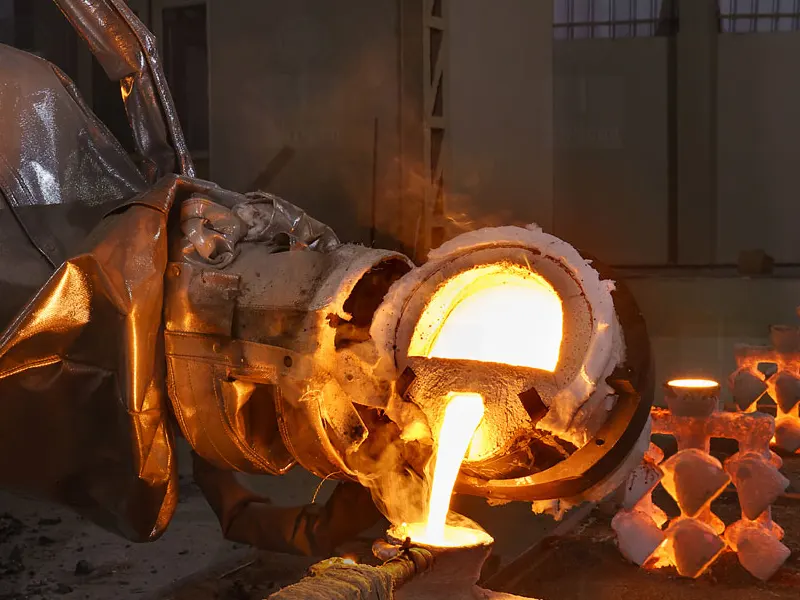
Lost wax casting, or investment casting, is sculpting with liquid metal. It begins with an artist shaping a wax model, detailing every small feature. That model is covered in a ceramic shell, which dries to form a mold. Heat dissolves the wax out, creating an exact cavity for liquid metal—steel, titanium, or gold. When the metal is cooled, the shell is broken open to a component that reflects the original plan to the smallest line. Indian foundries have adapted this old method and accelerated it using contemporary tools, giving lost wax castings India a precision powerhouse.
Roots in India's Heritage
India’s affection for lost wax casting has undoubtedly been a journey through time that spans over 4,000 years. The bronze Dancing Girl statue from Mohenjo-Daro, a masterpiece in detail and technique from 2500 BCE, is a good example. The foundries of today continue that legacy but in a different way; they blend the skills of experienced artisans with the accuracy of engineers to complete challenging tasks that require both beauty and strength. Such tasks can be anything from the most intricate jewelry pieces to the most reliable aircraft parts.
Nailing Complicated Designs
It is lost wax castings India's capacity to deal with complicated shapes that makes it stand out. Indian foundries produce parts with tolerances as low as 0.05 mm, ideal for gears with very small teeth or implants with rough surfaces. The process picks up every nuance of the wax model, so you end up with components requiring minimal to no additional work after casting—a boon for industries that live by precision.
Why Indian Foundries Stand Apart
Indian foundries are not just competing globally—they lead the race. Their combination of skill, low cost, and flexibility makes them the number one choice for small-batch, high-detail work. Here is what gives them the advantage.
Craftsmen and Tech Wizards on the Same Page
India’s casting industry thrives on its people. You’ve got artisans who’ve spent years perfecting wax models by hand, working alongside engineers who know metallurgy inside out. This combo means foundries can handle tricky jobs, like crafting a handful of valve parts for oil rigs, with both artistic flair and technical precision. It’s a balance that’s hard to beat.
Affordable Without Skimping on Quality
Cost is a major issue, particularly for small batches where you can't take advantage of bulk discounts. Indian foundries maintain prices low due to cheaper labor and operational expenses, but they don't compromise on quality. Consider Inova Cast Pvt. Ltd., for instance—processes are optimized to provide industry-leading parts at a fraction of the cost of somewhere else, making lost wax castings India a financially savvy option for frugal projects.
Built for Small Batches
Mass production is not always the solution. Aerospace or medical device manufacturing typically requires only small orders of specialty parts, and Indian foundries are equipped to meet that need. Lost wax is a low-set-up, low-waste process, so running 10 or 20 is as feasible as a larger order. That's why lost wax castings India is a saving grace for specialty manufacturing.
Crushing It for High-Detail Needs
When razor-sharp detail is required in parts, Indian lost wax foundries stand apart. Their capacity to achieve precise specs makes them a go-to for challenging uses.
Smooth Finishes, Spot-On Dimensions
Lost wax casting produces parts with silky surfaces—finesse as high as 3.2 micrometers Ra. Indian foundries go one better using top-of-the-line ceramic molds and careful control of pouring temperatures. The results? Components that frequently bypass additional machining, conserving time and cost. Whether it's a dental implant or a high-end watch component, the quality is self-evident.
Any Metal, Any Challenge
From run-of-the-mill stainless steel to specialty alloys such as Inconel or titanium, lost wax castings India does it all. Foundries adapt their process to accommodate the idiosyncrasies of each metal—such as tempering heat for titanium to maintain its strength for aerospace applications. This accommodates that they are able to satisfy the requirements of industries with extremely disparate demands.
Lean and Green
Lost wax casting is efficient enough, with recyclable wax and accurate molds reducing waste. Indian foundries take it a step further by optimizing their processes to reduce scrap, particularly for expensive materials such as cobalt alloys applied to medical components. This not only reduces cost but also makes lost wax castings India an eco-friendlier choice in an age where everybody worries about going green.
Adapting to Industry Requirements
Indian foundries don't merely cast components—They solve issues for particular industries. Their capacity to modify the lost wax process for specialized requirements stands them out.

Aerospace: Precision That Soars
Aerospace parts, such as turbine blades or brackets, need to be perfect even under crazy pressure. Indian foundries are AS9100-compliant, they produce components that can survive the harshest of environments. Want to cast a hollow blade with internal cooling channels? These guys have it all figured out, they make sure every part is good to go.

Medical Devices: Life-Saving Accuracy
Medical components, like surgical tools or hip implants, require precision and safety. Indian foundries are making use of biocompatible materials such as titanium or stainless steel 316L, they then proceed to fabricate parts which contain details like textured surfaces that aid the growth of bones. This degree of commitment guarantees that each piece corresponds to the most stringent medical regulations.

Jewelry and Art: Beauty in Every Detail
For sculpture or jewelry, lost wax casting is painting with metal. Indian foundries create artwork with fine filigree or personalized engravings to the high expectations of luxury labels and artists. Its capability to replicate every detail brings it to the top as a preferred technique for doing bespoke pieces.
Tech That Takes It to the Next Level
Indian foundries aren’t stuck in the past—they’re embracing modern tools to make lost wax casting even better, balancing craftsmanship with innovation.
3D Printing for Quick Turnarounds
By printing wax patterns using 3D printers, foundries cut prototyping time. Want to test a new design? They can have a model in days, not weeks, allowing clients to quickly make changes to parts. This is revolutionary for small-batch orders, particularly in high-speed industries such as medical tech.
Top-Notch Quality Checks
Accuracy is worthless if you can't validate it. Indian foundries employ equipment such as coordinate measuring machines (CMMs) and X-rays to measure every dimension and detect unseen defects. In aerospace or medical components, where the slightest fault would be catastrophic, this precision guarantees every component is perfect.
Automation Done Right
Where hands-on craftsmanship is paramount, automation is utilized for the repetitive operations such as injecting wax or building shells. This ensures consistency, particularly for low-volume runs where subtle changes could make a difference. It also allows them to increase production when volumes are high without sacrificing that personal touch.
Sustainability and Fair Play
In a world where everyone's monitoring their footprint, Indian foundries are rising to the occasion with environmentally friendly and equitable practices that enhance their appeal.
Smarter Energy Use
From efficient furnaces to recycling wax and ceramic shells, foundries are reducing energy waste. Some even reuse waste heat to power other process steps. These initiatives make lost wax castings India a sustainable option, fitting with world calls for greener manufacturing.
Treating Workers Right
India's foundry sector operates on its workforce, and leading foundries pay employees a decent wage and provide a safe working environment. That's not only good ethics—it's trust with customers who desire to know their components are sourced from an ethical supplier. It's an allegiance that bolsters the industry's reputation globally.
Conquering Small-Batch Challenges
Small-batch casting is tricky with big setup costs or longer lead times for complicated parts. Indian foundries have intelligent solutions to make it all run smoothly.
Low Setup Costs
Special molds for small batches can be expensive, but foundries keep costs low by using modular designs and digital solutions. This makes it economical to make just a few parts, ideal for customers on a tight budget or with special requirements.
Accelerating Delivery
Complex designs put the brakes on, but foundries put that on hold using 3D-printed wax models and lean processes. They deal with urgent jobs first, so clients receive their parts on time without compromising on quality.
Why India Wins Globally
Indian foundries are indeed very good and powerful that no other global organizers can beat. They match a unique combination of quality, cost, and flexibility that is difficult to duplicate.
Stacking Up Against the Competition
Relative to Western foundries, India provides equivalent quality but at a discount. While Europe or North America may rely on much automation, India's combination of skilled hands and intelligent technology provides the cost-effective advantage. Relative to other Asian competitors such as China, India excels in small-batch, high-detail productions where craftsmanship is the paramount.
Shipping to the World
India's export business is robust, with efficient logistics that deliver parts to clients anywhere, from Europe to the U.S., within time. From a last-minute order for aerospace to an order of medical implants, foundries deliver, strengthening their global marketability.
Real-Life Wins
These anecdotes illustrate how lost wax castings India supplies for industries with stringent requirements, demonstrating its worth in action.
Aerospace Turbine Blade
A European aerospace firm required 15 turbine blades with intricate cooling channels. An Indian foundry employed Inconel 718, achieving tolerances within 0.03 mm. The blades cleared all tests, demonstrating the foundry's proficiency at achieving sky-high quality standards.
Medical Hip Implant
A U.S. medical company sourced 40 titanium hip implants with textured surfaces to encourage bone growth. An Indian foundry supplied accurate components, employing biocompatible materials and strict inspections to abide by FDA regulations, for life-saving procedures.
Luxury Gold Pendant
A luxury jewelry company in Dubai needed a small batch of intricately designed gold pendants. An Indian foundry aced it, pouring out pieces with flawless finishes that impressed the high-end market to their core, demonstrating their craftsmanship in each detail.
What's Ahead for Indian Lost Wax Casting
India's lost wax castings industry is set to meet a rosy tomorrow, embracing new technology and market trends to lead the way.
AI and IoT on the Horizon
Some foundries have been trying out AI to anticipate defects or adjust casting parameters perfectly leading to efficiency which is higher. IoT tech is monitoring devices in real-time which reduces downtime. These tools will allow India to remain the world leader in precision casting.
Breaking into New Markets
With the rapid expansion of industries such as renewable energy and electric vehicles, Indian foundries are all set to provide parts to these sectors just like wind turbine components or battery casings. The adaptability of lost wax casting makes it an ideal match for these new frontiers.
Doubling Down on Green
Sustainability has been the center of attention within the foundry industry, and this has given rise to them using electric furnaces and recycled materials for emission reduction. Not only is this meeting client needs, but it is also making lost wax castings India a responsible manufacturing leader.
Wrapping It Up
Indian lost wax casting foundries are a golden gem, where centuries of skill are mingled with modern accuracy to produce small-batch, high-detail pieces that drive industries globally. From aerospace to jewelry, their precision to hit intricate designs at an affordable price is what sets them apart. With technological overhauls, eco-friendly methods, and a focus on quality, these foundries aren't following the trend – they're driving it. For anyone requiring bespoke components that don't settle, lost wax castings India is the company to call upon, bringing ideas to life with every cast.

 +91-2827-252282 / 252283